
The Wines


Cervaro della Sala
Umbria IGT

The name Cervaro comes from the noble family that owned Castello della Sala during the 14th century, Monaldeschi della Cervara. Cervaro is a blend of Chardonnay grapes and Grechetto and is one of the first Italian white wines to have malolactic fermentation and aging take place in barriques.


Pinot Nero della Sala
Umbria IGT

The wine is made entirely with Pinot Nero grapes and is considered Cervaro’s alter ego: together they represent the two different expressions of Castello della Sala’s complex and refined spirit.


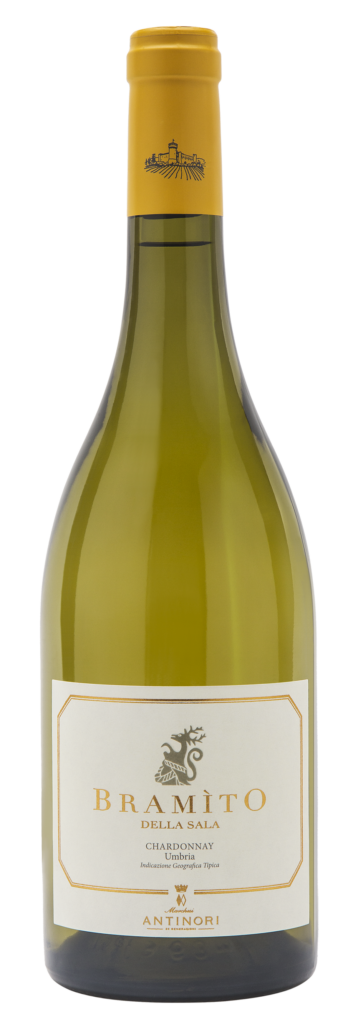
Bramìto della Sala
Umbria IGT

Bramìto della Sala Chardonnay is produced from the vineyards surrounding the medieval castle at Castello della Sala. The vineyards are on soils rich in fossil deposits with veins of clay that give the wine minerality and elegance.


Conte della Vipera
Umbria IGT

The wine takes its name from first proprietors of the Castello della Sala. A fresh, vertical, and slightly aromatic Sauvignon Blanc is blended with soft, tropical Sèmillon, one grape variety completing the other.


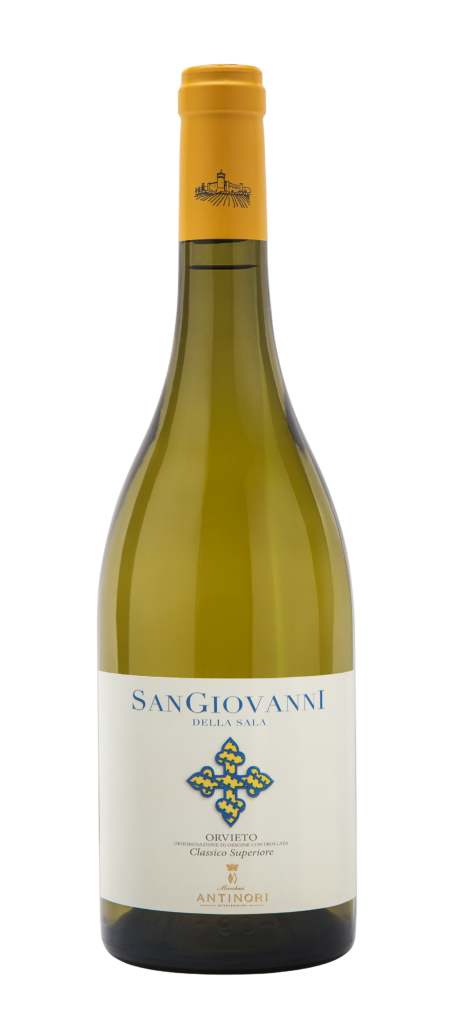
San Giovanni della Sala
Orvieto DOC Classico Superiore

San Giovanni comes from Castello della Sala’s vineyards and is made with a blend of Grechetto, Procanico, Pinot Bianco and Viognier, a contemporary representation of Orvieto Classico.


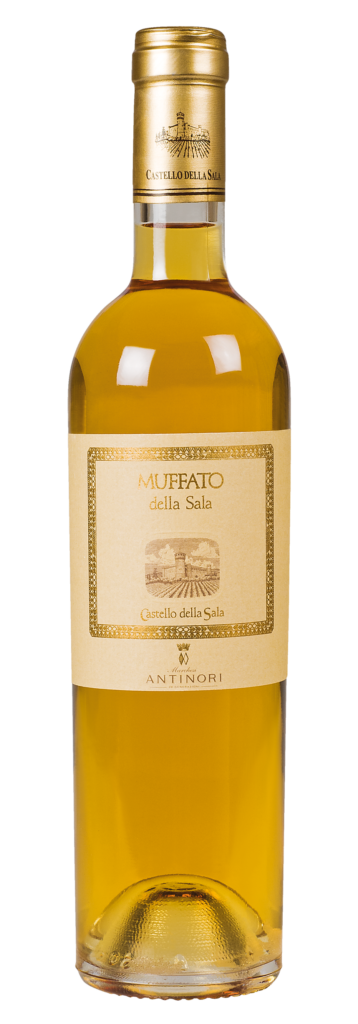
Muffato della Sala
Umbria IGT

This fascinating wine is a blend of Sauvignon Blanc, Grechetto, Traminer, Sémillon and Riesling affected by Botrytis Cinerea (noble rot). The resulting concentration of sugars and aromas give the Muffato its special and unmistakeable flavor.


Vinattieri 1385 Castello Della Sala Vineyards

The Vineyards

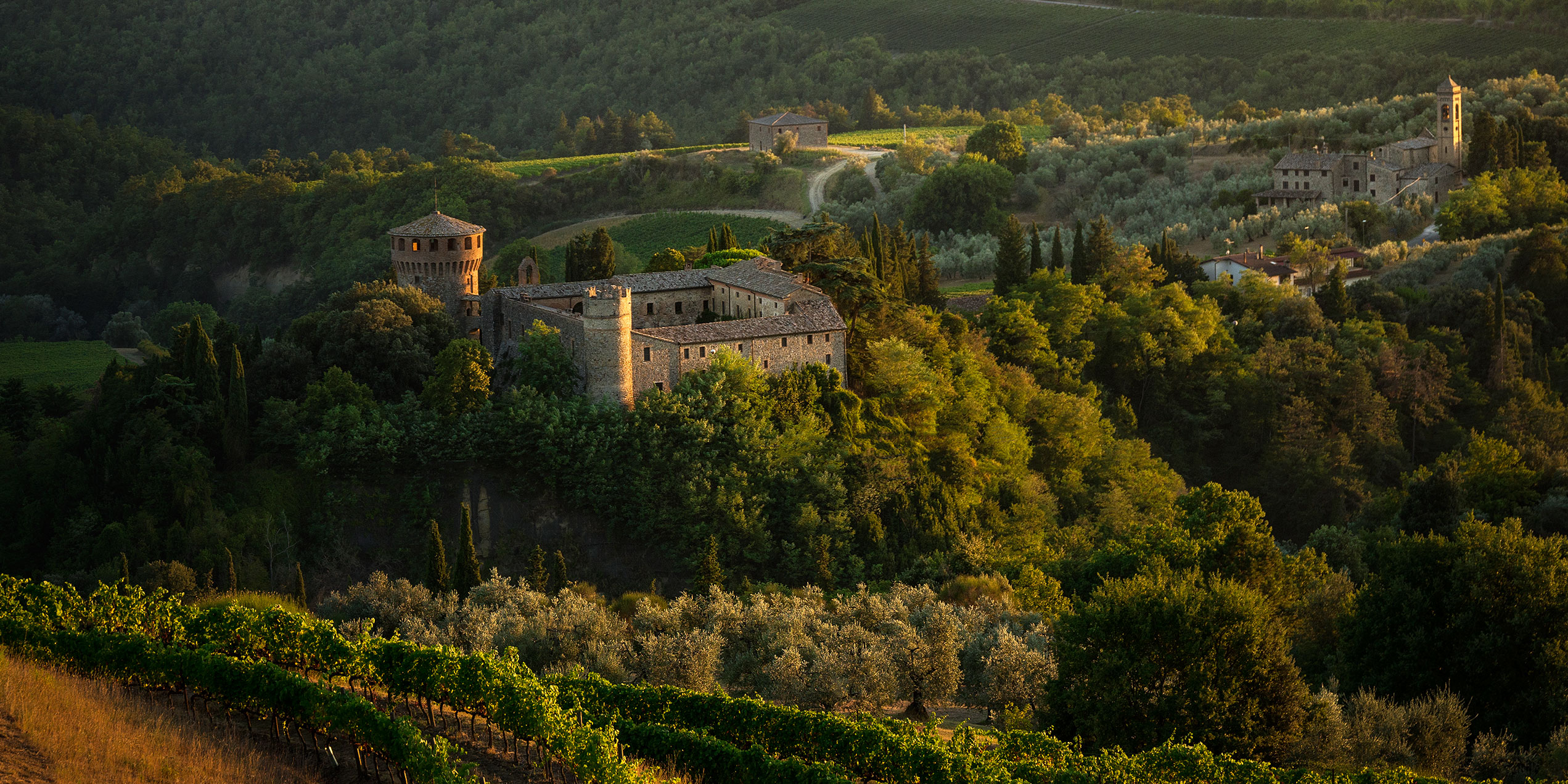
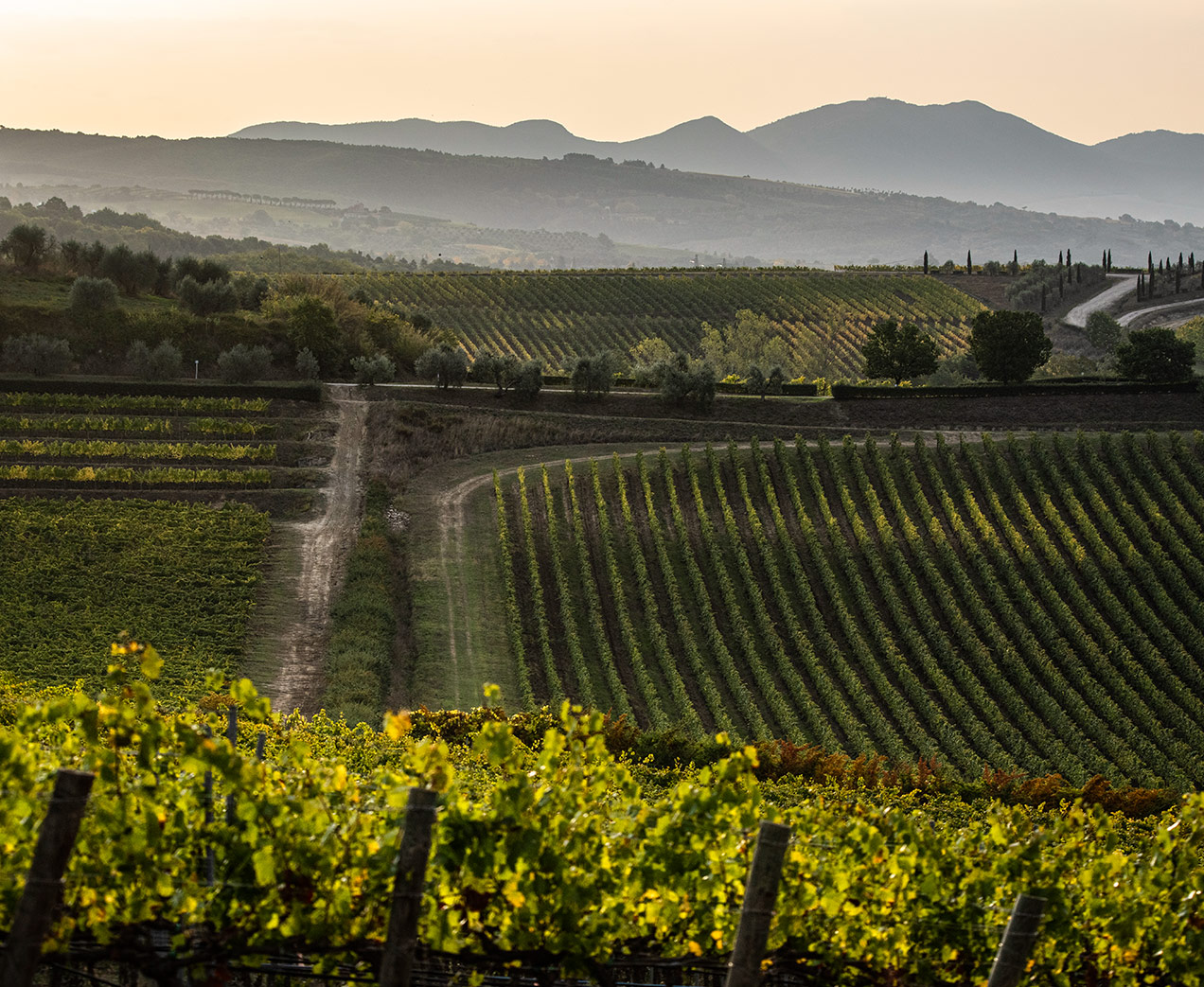
Castello della Sala is located in Umbria, a short distance from the Tuscan border, about 18 kilometers (11 miles) from the historic city of Orvieto. Castello della Sala, a magnificent medieval manor with 600 hectares (1,482 acres) of land 200 hectares (495 acres) of which are planted with vineyards, is located halfway between the Paglia River and the summit of Monte Nibbio.The region is exceptional for producing white varieties with one exception, Pinot Noir, that has found ideal conditions in this terroir to best express its full potential. The vines grow in clay and calcareous based soils, rich in fossil shells, and they are well exposed to the rising of the sun with an ideal difference of temperature between day and night.